I was moving abroad, and there was no way I was leaving my cat behind 😼
This is a long, slightly chaotic field note on how I got my cat onto a plane and into Japan. It has been long enough that I no longer remember every tiny detail, so take this as a reconstructed travel log rather than an official handbook.
Research
When I decided I was taking my cat with me, I already had a vague sense that “bringing a pet overseas is a hassle.” I just hadn’t bothered to look up how much of a hassle.
My original plan was to deal with it after my own departure schedule was fixed. Then the schedule more or less settled down, I finally opened the official guidance, and immediately felt my soul leave my body: Japan’s Animal Quarantine Service wants you to start preparing at least seven months in advance.
Fortunately, or unfortunately, my own move got delayed later on. That accidental delay was what gave me just enough time to finish the paperwork and bring the cat with me.
What It Actually Takes to Bring a Pet to Japan
Cats do not have nationality. Unlike me, they do not need a visa every time they cross a border, which is frankly enviable. Unfortunately, most countries are far stricter about animal quarantine than they are about me.
Fresh food, fruit, vegetables, and anything alive tend to be heavily controlled. I needed a visa; my cat needed a mountain of quarantine paperwork. Call it a draw.
Looking back, the whole process breaks down into three parts:
-
Export quarantine paperwork
This is the set of documents issued by the country you are departing from. In my case, leaving from China meant getting an official animal health certificate from China Customs.
Without it, the airline will not let your pet board.
Japan will also inspect it on arrival. -
Booking the pet onto the flight
In my heart, I wanted to believe “the cat is small, I’ll just tuck it into a bag and take it onboard.”
In reality, most airlines do not allow pets in the cabin. Usually they cite noise, smell, or the effect on other passengers.
So what you actually book is a live-animal slot in the cargo hold. The airline puts the pet in a dedicated compartment and supplies oxygen during the flight.
Those slots are limited. On some aircraft there may only be two to four. You need to call the airline first, confirm the slot exists, book your own ticket, then call again to reserve the animal slot. Only then is the booking really done.
The fee itself is usually paid at the airport on departure day. -
Import quarantine paperwork
This is the set of documents required by the destination country, in this case Japan.
You have to read the AQS requirements carefully, follow the official sequence, finish the required checks, and submit the documents to the Japanese side.
If everything looks good, they issue the notice that effectively says, “Fine, you may bring this cat in.”
The actual order of travel is export quarantine >> pet booking >> import quarantine, but the order of preparation is basically the reverse:
- Japan-side
import quarantineneeds to begin at least half a year in advance. This is the part that really determines whether the whole plan lives or dies. - China-side
export quarantinecan be handled roughly two weeks before departure, and in fact can only be done around then because the documents expire quickly. - The
pet bookingdepends on your own itinerary. Ask the airline before you buy the ticket, and lock in the animal slot once you know there is one.
Japan-Side Import Quarantine Procedures
The most authoritative source for this part is, unsurprisingly, the official Japanese guide: 動物検疫所:犬、猫の日本への入国 (指定地域以外編)
You really do need to read it carefully. This is the kind of process where “I’ll figure it out when I land” can end with you and your cat both stranded at the airport.
指定地域以外
Animal quarantine is mainly to prevent rabies import. Japan classifies other countries intodesignated regions(no rabies cases) andoutside designated regions(rabies exists).
If you bring a pet from adesignated region, the procedures are a bit more relaxed.
China isoutside designated regions, so stricter quarantine steps apply.
The official guide is detailed, fairly readable, and even available in multiple languages. In theory that means I have nothing left to add, so this post should end right here.
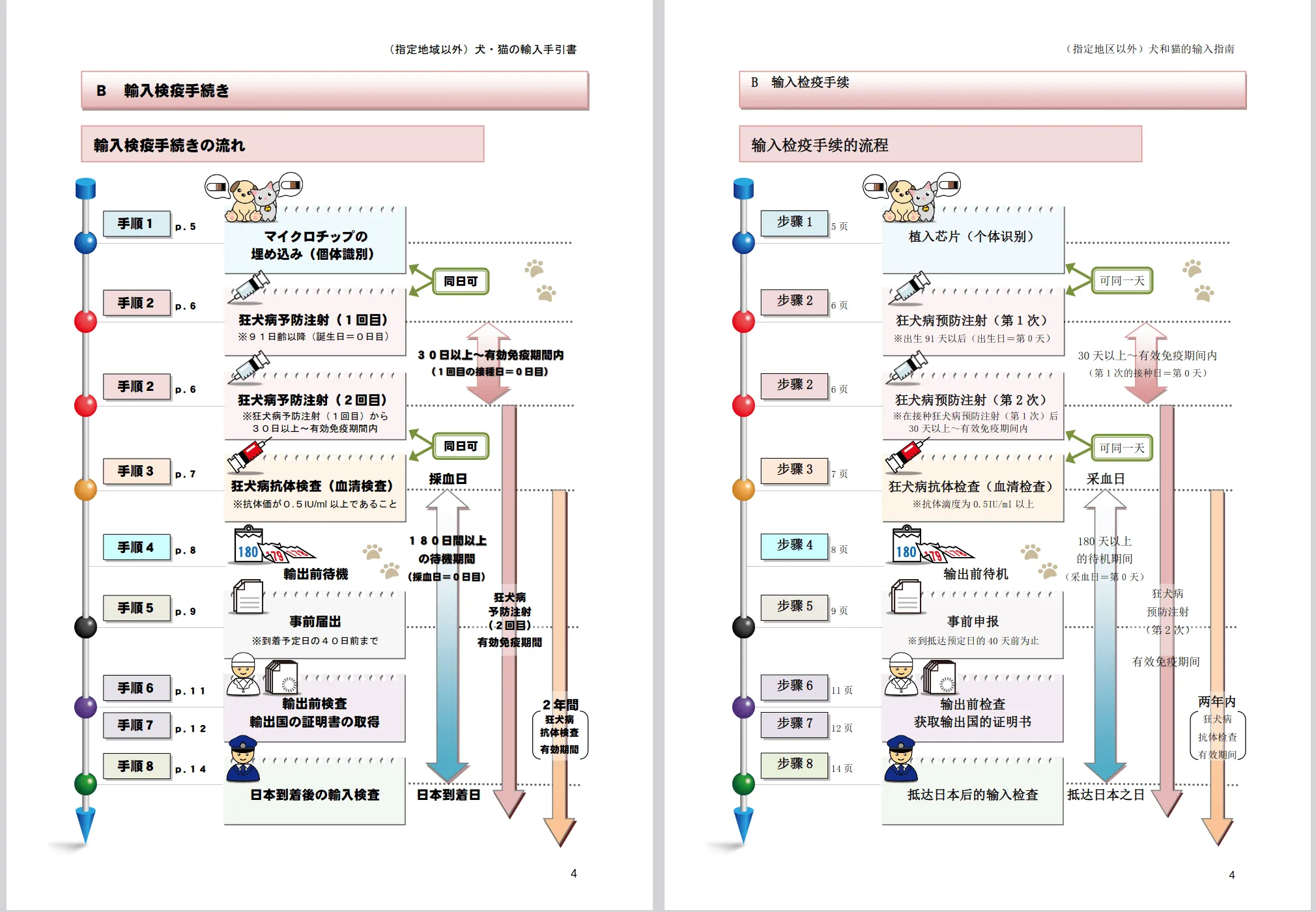
According to that diagram, bringing a cat to Japan can be broken into eight stages:
- Step 1: Microchip
- Step 2: Rabies vaccine (first shot)
- Step 2: Rabies vaccine (second shot)
- Step 3: Rabies antibody titer test (blood draw)
- Step 4: Waiting period before entering Japan
- Step 5: Submit an application at least 40 days before entry
- Step 6: Pre-departure health check (in China)
- Step 7: Obtain the certificate issued by China (Customs)
- Step 8: Pet inspection after arriving in Japan
I’ll follow that same order below and write down how it went for me.
Step 1: Microchip
Why the microchip comes first
Japan wants to know that the cat standing in front of them is in fact the cat named in the paperwork, not some other cat of similar fluffiness.
The chip contains a numeric ID. It is implanted under the skin around the neck, and from that point on your cat is carrying a tiny portable ID card.
On arrival, the quarantine officer scans the chip and checks whether the number matches the documents.
Japan has also started requiring pet-shop animals to be microchipped, partly to reduce abandonment. If a stray cat or dog is found, scanning the chip at least gives them a chance to trace the owner.
Also, abandoning pets is a crime in Japan, so do not get creative.
Finding a clinic to implant the chip
The very first step was already a mess. I live in a tiny backwater city, and after calling around a bunch of clinics, the response was basically:
“Microchips for pets going abroad? Never heard of it.”
“No, we don’t do that here.”
Hard beginnings are one thing. This was aggressive.
So I switched plans: buy the chip myself on Taobao, then find a clinic willing to do the actual implantation.
The bigger clinics all worried that if anything went wrong they would end up holding the bag. Eventually a small clinic agreed to help.
Buying the chip yourself
I opened the all-powerful Taobao, searched for “pet microchip,” and got exactly the kind of endless wall of listings you would expect.
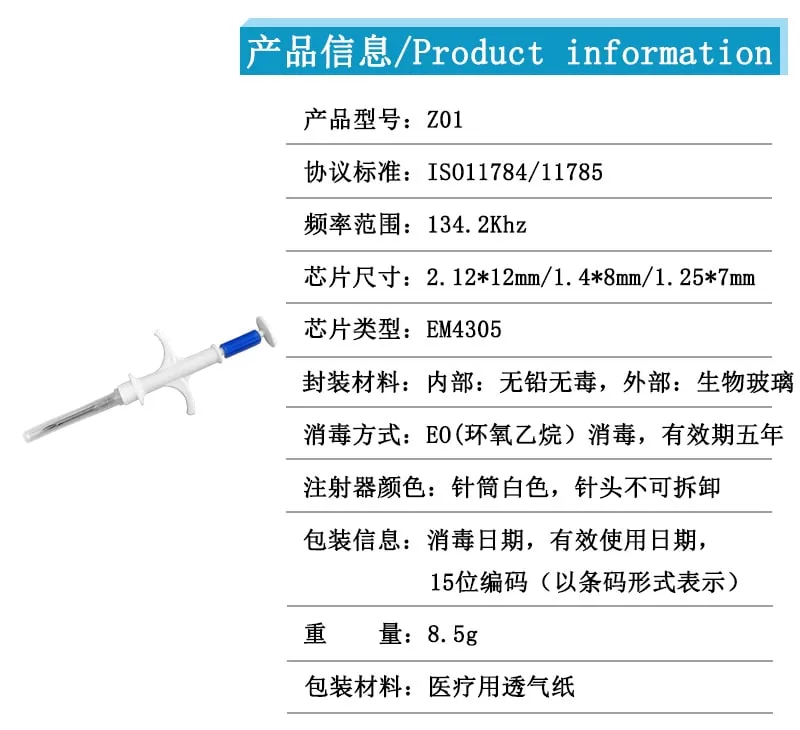
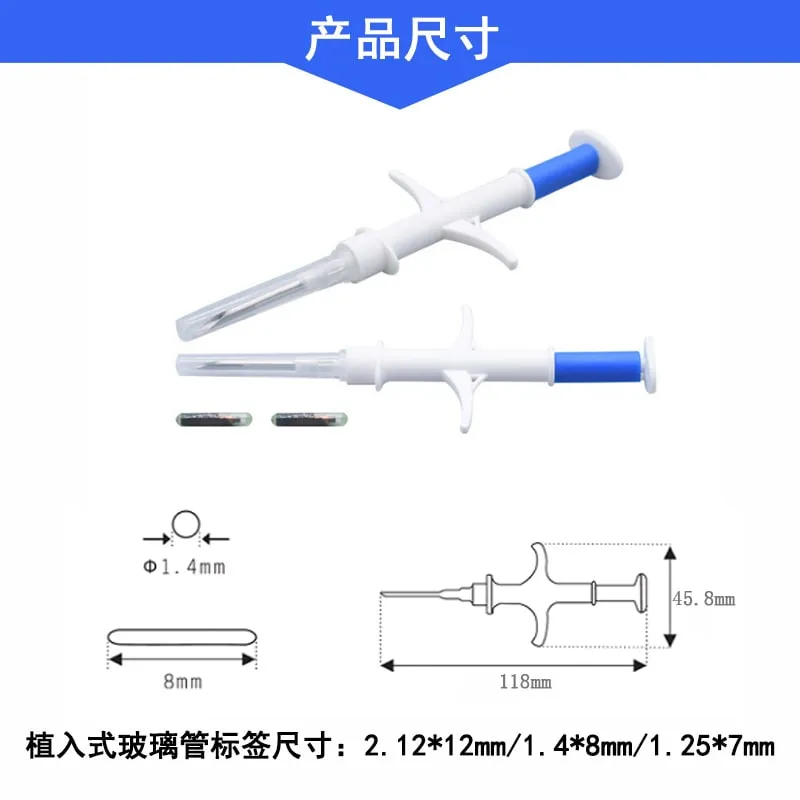
They look roughly like this.
According to the listings, these are not only for cats and dogs. Apparently you can chip fish too. I would love to know what kind of fish requires that level of asset management.
The chip plus injector cost maybe 7 or 8 RMB. Shipping cost more.
I picked a store that looked minimally trustworthy, asked a few questions, and placed the order immediately because at this point the whole project was already on a timer.
Actually getting the chip in
As soon as the package arrived, I grabbed both cat and chip and went straight to the clinic.
The vet studied the extremely bare-bones instructions from the seller, took apart the injector, and figured out how it worked: the chip sits inside the needle, with a little plastic plunger behind it. Needle in, push, chip out.
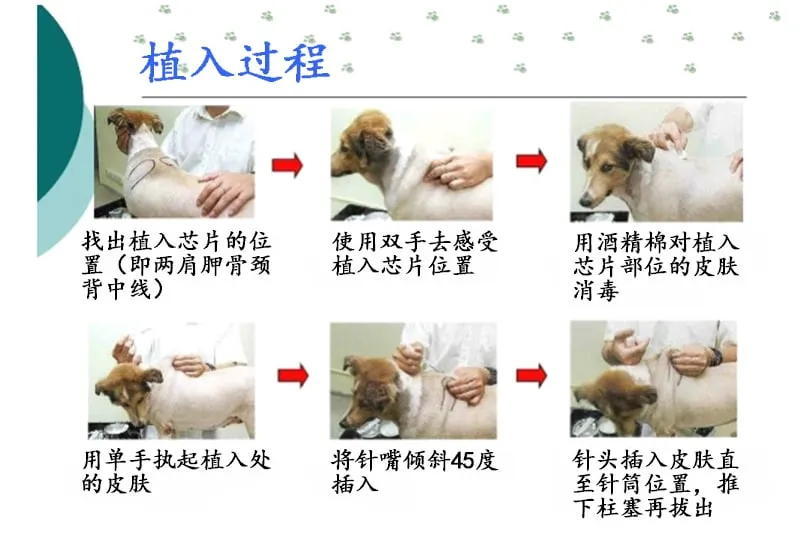
Once everyone understood the mechanism, things moved quickly. Cat out, neck wiped with alcohol, skin lifted, needle in, push, needle out. One clean motion.
We pressed the spot for a while, watched for bleeding, and it all looked fine. Huge relief.
While we were talking afterward, the vet mentioned that even though I had bought the smallest chip size available, the needle was still noticeably thicker than what they normally use, so a little extra bleeding was not unusual.
The vet and nurse both praised my cat for being quiet and well behaved during the injection. The truth, of course, is that it was simply too scared to move. At home it is a completely different animal.
The package that came with the injector also included some barcode stickers.
The number on them is the chip ID. Once implanted, it becomes your cat’s “ID number”.
Keep the stickers somewhere safe, because it’s hard to memorize that number.
We watched for a bit longer, saw nothing alarming, and retreated.
And my cat still had another injection waiting that same day.
Step 2: Rabies Vaccine (First Shot)
The first rabies shot can be given on the same day as the microchip, which is exactly what I did.
My cat had already been vaccinated before, but there were two problems.
First, enough time had passed that Japan might not accept the old record anyway.
Second, since the antibody titer test would happen a month later, giving a fresh shot now slightly improves your odds of passing. If you fail that test, you draw blood again, pay again, wait again, and generally suffer again.
One antibody test costs around 2000 RMB, which is not small.
And it must be sent abroad for testing; round trip takes 2-3 months, which is a lot of time wasted.For point (1): Japan generally does not accept rabies vaccination records from before the microchip was implanted. The official text is:
マイクロチップを埋め込む前に接種した狂犬病予防注射は無効ですが、条件付きで認められる場合があります。
So, to stay on the safest possible side of the rules, I followed the Japanese instructions and gave the first rabies shot on the same day as the microchip.
There is not much drama here. Go to the clinic, get the shot, have the vet paste the vaccine label into the vaccination booklet, then sign and stamp it. Standard procedure.
Step 2: Rabies Vaccine (Second Shot)
The second shot has to be at least 30 days after the first one, and still within the first shot’s validity window.
In China, rabies vaccine validity is usually treated as one year. My cat got an imported vaccine whose official website claimed three years.
In practice, Japan did not care. Chinese vaccine, imported vaccine, three-year claim, whatever: they wanted it written as one year.
In the later step of
submit import application 40 days in advance, when I submitted vaccine records to Japan, I filled in the brand and validity. I wrote “3 years” according to the manufacturer, but Japan quarantine asked me to change it to 1 year. Even showing them the official website didn’t help. In the end I had to change it to 1 year…
So the real operational rule was simple: wait at least 30 days, but do not let the first shot age past one year, or it effectively expires for this process.
Step 3: Rabies Antibody Titer Test (Blood Draw)
The blood draw for the rabies antibody titer test can happen on the same day as the second shot.
Draw blood and extract serum
This part was straightforward. After the second shot, I asked the clinic to draw blood, spin it down, and separate the serum.
They put the serum into two small soft tubes, presumably so that if one leaked in transit I would not immediately die on the spot.
How much blood to draw depends on how much serum the lab needs. Usually 1ml serum is enough.
Sending serum to a testing lab
This was the hardest step in the whole process.
I tried to DIY almost everything else, mostly to save money, but shipping serum for testing was one thing I could not do alone. In the end I had to use an agent, which cost around 2,000 RMB.
There were two reasons.
First: Japan only accepts designated labs
Japan AQS provides a list: 日本の農林水産大臣が指定する検査施設(指定検査施設)
Only test reports issued by these designated labs are valid.
There are multiple labs on the list, but at the time the only one in Asia was in Japan itself, plus a newly added lab in Taiwan at the very end of 2022. Everything else was even farther away.
My original idea was simple: send the serum directly to the lab in Japan.
I even emailed them, asking whether they could test it if I shipped the sample from China. Their answer was basically, “Sure, if you can get it here.”
That sounded promising for about five minutes. Then I called the couriers.
China Post said no. SF Express said no. Serum counts as a biological sample; private individuals cannot ship it, not even domestically, let alone overseas.
So that plan died immediately.
So how had other people solved this? I searched around on Twitter and discovered that some extremely committed people had literally carried the serum to Japan themselves, or asked friends to do it.
Under the pandemic controls at the time, that was not a realistic option for me.
Second: individuals can’t ship serum, only agencies can
So it was back to Taobao. Search for “pet serum testing,” message a few stores, compare quotes, accept your fate.
Most agencies were quoting something like 2,000 to 3,000 RMB and could forward the sample to a Japan-approved lab.
They only handle the logistics. If your result comes back below the threshold, that is your problem. You draw blood again, pay again, and start over.
Because failure is a real possibility, some agencies even advertise a mysterious
service: they submit serum they somehow already have, while the paperwork still says it belongs to your cat.
Business innovation never sleeps.
After comparing Taobao shops and asking around on Twitter, I finally picked one agent that seemed at least somewhat trustworthy.
I mailed the serum to them, they forwarded it abroad, the lab sent the result back to them, and then they mailed the report to me.
The fee was about 2,000 RMB, paid upfront. I did not feel especially good about wiring money to strangers on the internet, but there was no better option.
SF Express still refused to touch the sample, so I found another courier, packed everything in a cooler with ice packs, and described the shipment as a cake.
Somehow, this worked.
Needless to say, find the shipping agent before the blood draw. Otherwise the serum warms up while you are still trying to figure out where to send it.
Test result
Once the serum was gone, there was nothing left to do except pray. If the result failed, that would mean wasted money, wasted time, and another round of blood draws.
More than a month later, the agent finally messaged me: result out, passed, no problem.
That was a real relief.
After that, it was just a matter of waiting for the paper report to arrive.
From my limited observation, domestic agents almost all use the same lab in Germany. I don’t know why I rarely saw other labs being used.
Step 4: Waiting Period Before Entering Japan
Once the titer test passes, Japan still makes you wait. The pet has to remain in the exporting country, in my case China, for 180 days. This is the observation period they use to make sure the animal really is not carrying rabies.
Those 180 days are counted from the day the blood was drawn. If your cat lands in Japan before the clock runs out, you are in trouble.
If you have not completed the 180 days, the pet gets held in a quarantine facility until the remaining time is served out, and no, that service is not free.
There is also an annoying deadline puzzle here. In practice, the rabies vaccination record is treated as valid for one year, while the antibody test certificate is valid for two years from the blood draw date.
So if you draw blood on the same day as the second rabies shot, your arrival window is basically “after 180 days, but before the vaccine record times out.”
If that second shot is getting too old, get a third booster before you leave.
Nothing dramatic happened during this stretch. It was just a good time to deal with the rest of my own immigration mess.
Step 5: Apply to Japan AQS at Least 40 Days Before Arrival
Before you land in Japan, you must notify the Animal Quarantine Service office at the airport where you will arrive that a pet is coming in.
If they review the documents and find everything acceptable, they issue a 届出受理書 (acceptance of notification). That is the document that means, in practical terms, “yes, you may bring the cat.”
This part also takes time, because getting the documents into a state they are willing to accept usually involves several rounds of extremely polite back-and-forth email.
So the next thing to do is the advance notification, i.e. 事前届出.
事前届出
This application must be submitted at least 40 days before your arrival date in Japan. Earlier is fine; later is not.
So do not aim for exactly day 40 like a maniac. Submit it two months ahead, or even three, and treat the first submission as reserving your spot. You can revise the details later.
There are two ways to submit:
- Email all documents to the airport AQS office, and go back and forth until they issue your
届出受理書. - Use the online application system
NACCS, submit information and documents there, and they will also issue a届出受理書if everything is fine.
Since my Japanese was absolutely not good enough for a long bureaucratic email duel, I went with option 2.
NACCS(動物検疫関連業務)について(犬や猫の輸出入手続者用) is the introduction page for the system and worth skimming before you start.
NACCS online application system
It has been a while, so I do not remember the button-by-button details anymore. What I do remember is the strategy.
The system allows unlimited revisions. I edited my application more than five times.
That means your first submission does not need every field to be final. Get the important information right: your name, the pet’s name, the microchip number, the vaccine records, the antibody test result.
For things like your exact flight or your address in Japan, a temporary placeholder or 未定 is fine. Fix it later when your schedule stops moving.
Even so, NACCS does not magically eliminate email. You still end up corresponding with AQS whenever some detail needs clarification.
The vaccine-validity issue above was one of those cases: even with the manufacturer’s website in hand, I still had to go back and revise the validity to one year.
届出受理書
事前届出 is just the act of submitting. AQS will review your documents. If everything is fine, they will issue you a 届出受理書. That’s the proof that AQS agrees to let you bring your cat into Japan.
Because my own schedule kept drifting, I had to revise the documents over and over before I finally got the 届出受理書.
Once you get it, print multiple copies. You may need it for outbound procedures, the airline, and other checks on the way. The only one I clearly remember checking it was the airline, but this is not a place to gamble on memory.
Customs will check various documents when crossing borders. Some documents might not be returned after inspection, so besides the
届出受理書, it’s best to prepare photocopies for everything, just in case.
輸入検査申請書
Getting the 届出受理書 is not the finish line. It only means “bringing the pet is allowed in principle.”
You still need to tell the airport quarantine office when and where you are actually arriving so they can arrange the inspection on the day.
That is what the 輸入検査申請書 is for: “I am arriving at this airport on this date; please prepare to inspect the animal.”
You can also submit this via NACCS. After the 届出受理書 is issued, the system will remind you that you still need to submit the 輸入検査申請書. Don’t forget it.
Step 6: Pre-Departure Health Check (at a Pet Clinic)
Strictly by timeline, this step really comes after Step 7, because the health check has to be done within ten days of departure.
Note: the validity of this exam is only 10 days. Doing it too early is useless.
Meanwhile, Step 7: the certificate issued by China Customs must be done within 14 days before departure, and it must be issued by a government agency (China Customs).
Obviously the second one is harder, but I’ll still record things in the official Japan guide order.
For me, the actual exam at the clinic was very simple. In a small city, most vets have never done an “international pet export exam” before, so there was no especially elaborate checklist.
In practice, it was mostly: does the cat look alert, is there any obvious sign of illness, does everything seem normal enough to sign the paper.
The medical exam itself was not the important part. The important part was leaving with a Form AC that had both the vet’s signature and the clinic stamp.
Form AC
Form AC looks like this:
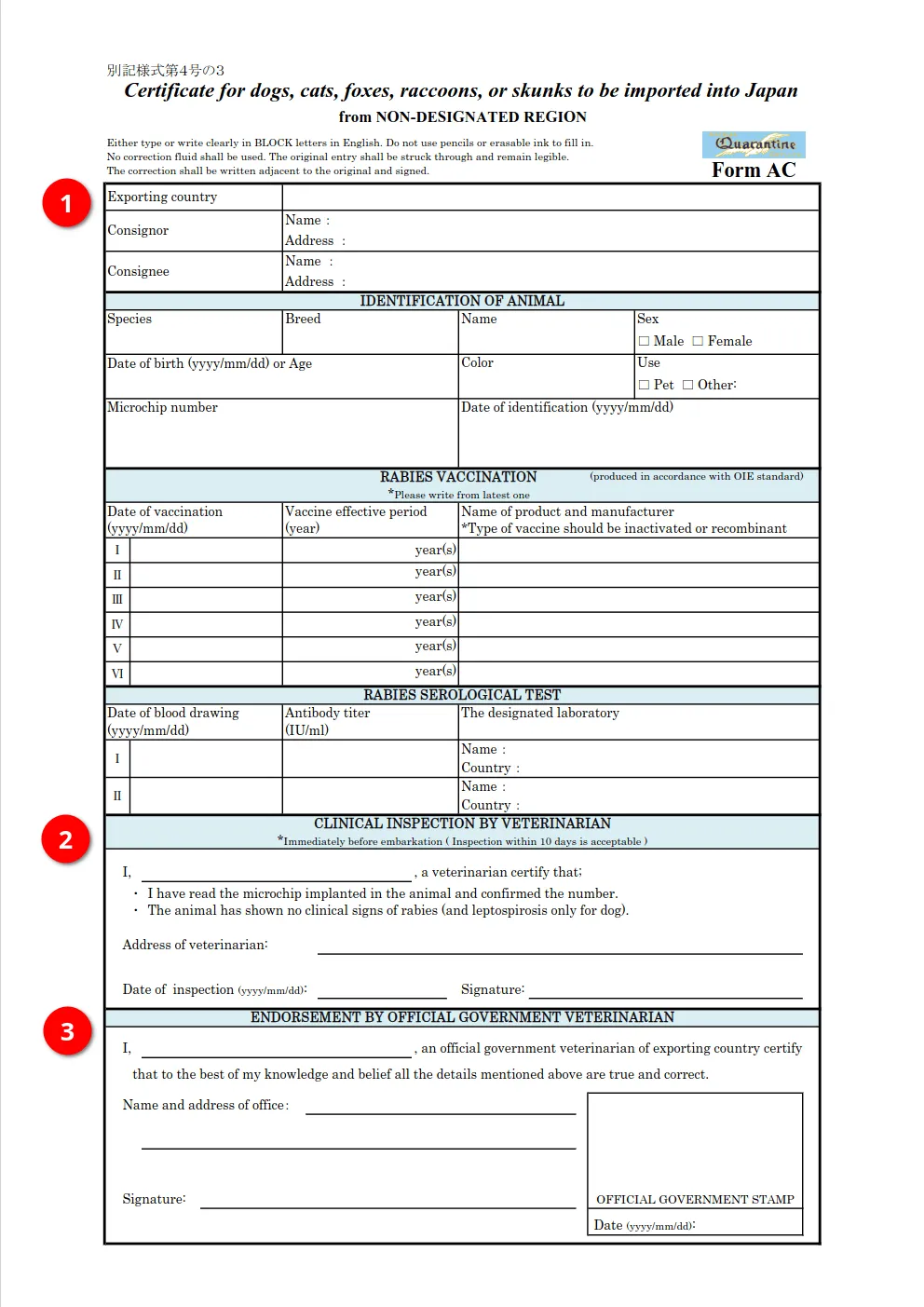
A quick overview: this form is split into three sections.
- Part 1: filled by the owner. Pet identity info, vaccination records, antibody test result. You can fill this part digitally and print it to avoid handwriting mistakes.
- Part 2: filled by the pet clinic. Vet name, clinic name/address, exam date, vet signature, and finally the clinic stamp.
- Part 3: the bottom section. In theory this should be filled and stamped by a government agency (Customs) to certify the above is true. But in China, government offices usually won’t stamp a foreign form with “unclear purpose”.
Japan AQS also anticipated this. In their email, they said if the Chinese government agency refuses to stamp Japan’s Form AC,
then it’s acceptable to submit a Form AC with only the vet signature and clinic stamp (i.e. only Parts 1 and 2).
However, in that case, you should make a photocopy of the Animal Health Certificate issued by China Customs in Step 7, and ask the pet clinic to stamp the copy of the certificate.
Below is the original email from AQS:
中国の動物検疫機関は「中華人民共和国出入境検験検疫局(以下、検験局。略称CIQ)」となります。1.検験局の所定の様式<ANIMAL HEALTH CERTIFICATE>に全ての処置事項の記載がある、または2.日本の推奨様式Form ACに検験局のサイン及び公印を取得する、 必要があります。
しかし、過去の輸入事例から上記2点の実現は非常に困難であると思われ、1.については、狂犬病抗体検査についての記載がない2.については、日本の様式に中国の公印を押印しない ということが予想されます。
このため、まず当メールの添付ファイルから推奨様式(Form AC)を印刷します。(FormACは添付の記入例を参照してください。)そして、中国から出国する10日以内に検験局指定の動物病院にて健康診断を受診の上、Form ACの作成を依頼し、動物病院のスタンプ及び担当獣医師のサインを取得してください。
また、検験局の所定の様式<ANIMAL HEALTH CERTIFICATE>も取得してください。検験局の所定の様式<ANIMAL HEALTH CERTIFICATE>に狂犬病抗体検査について記載がなければ、その所定の様式<ANIMAL HEALTH CERTIFICATE>のコピーを取り、そのコピーに動物病院のスタンプを取得してください。My guess: if the
Animal Health Certificateissued by China Customs in Step 7 already includes all the info required in Form AC (pet identity info, vaccine records, antibody test result), then the clinic-stampedcopyof the certificate might not be strictly necessary.
The main concern from Japan is that theAnimal Health Certificateoften does not include the rabies antibody test result. You can try asking Customs to include it when issuing the certificate, but don’t expect too much.
To be safe, it’s better to get a clinic-stamped copy anyway. It’s not that hard.
How to make corrections (訂正方法)
Form AC should have been one of the easy steps: get the exam, fill the form, submit the form, move on with your life.
Naturally, I still found a way to mess it up. On my first submission I forgot to tick two boxes in the top-right corner: pet sex and pet purpose.
AQS kicked it back. My first thought was: fine, I will tick them now and send it again.
They kicked it back again. This time they explained that corrections have to follow the official method:
●追記・訂正方法 ・追記・訂正は獣医師に実施いただいてください。 ・訂正いただく際は、誤った記述を二重線で消し、付近に正しい情報を記載してください。 ・追記・訂正箇所には、訂正者のサインの記入もしくは押印をお願いいたします。
※修正液などによる訂正は、不正な訂正となりますので絶対に行わないようご注意願います。In other words:
- You can’t modify Form AC yourself. The vet must do the correction.
- Cross out the wrong content with a double line, and write the correct information nearby.
- The vet must sign or stamp next to the correction, to certify the correction was made by the vet.
A small personal encounter with Japanese paperwork culture.
So back to the clinic I went, to ask the vet to correct the form properly and stamp it.
After that, the submission finally passed.
Annoying, but survivable.
Step 7: Obtain the Certificate Issued by China Customs
The certificate in this step refers to the Animal Health Certificate issued by a Chinese government agency (China Customs / CIQ).
The
Animal Health Certificateis not the same thing as theAnimal Quarantine Certificatethat local quarantine offices issue for domestic flights in China. Don’t mix them up.
Anything involving government offices already sounds exhausting in the abstract, and in this case the reality lived up to expectations.
I first burned several days on the apparently simple question: which Customs office is actually supposed to issue this thing?
The local office said they had never handled it and told me to go to the provincial capital.
The provincial office said it was under local jurisdiction and told me to do it locally.
After a few days of that delightful loop, the local office finally relented, got the procedure from the provincial office, and asked me to start preparing documents.
It was also the first time this local office had handled export quarantine for a pet, so they were figuring it out as they went. They did not even have a microchip scanner; I bought one myself.
I made several trips to the Customs building. During the process they checked each step against the instructions from the provincial office one by one, which was honestly more careful than I had expected.
They were not rude, just slow, cautious, and obviously trying not to become the person responsible if something exploded later.
This is only a rough summary. I don’t want to remember the details, and honestly I can’t. If you need to get this certificate, adapt based on your local policies.
Looking back now, this part was “smooth enough.” Living through it at the time felt very different. I never really knew whether the next office was about to tell me I was missing some fatal document. It was tiring in the very specific way bureaucracy is tiring.
In the end, the hard-earned Animal Health Certificate came as one original document plus a few attached copies.
On departure, China Customs will check it and keep one of the copies.
Make sure you keep the original, because Japan AQS needs the original during the on-arrival quarantine inspection.
Step 7.25: Intermission, Check Your Documents
At this point, most of the pre-departure paperwork should finally be in hand, and you can stop panicking for a moment and do a checklist.
What you should have is roughly this:
Rabies antibody titer test result(the certificate showing a passing result)Animal Health Certificate(issued by Customs)- Copy of the
Animal Health Certificate(withvet signatureandclinic stamp) Form AC(withvet signatureandclinic stamp)輸入検査申請書(tells Japan AQS that you’ll arrive on date X)届出受理書(proof that Japan agrees to your pet’s entry)Flight ticket(including the pet cargo booking)Vaccination booklet(even if you may not need it anymore, keep it)
Among these, the originals of items 1-4 must be kept. They must not be taken away by China Customs on departure, because you need to hand those originals to Japan AQS after arrival.
So prepare extra copies for everything, just in case.
At this point I had finally collected seven eight Dragon Balls. Time to summon Shenron.
Then all that remained was the actual departure.
Not really waiting, though. Saying goodbye to friends and family, packing, all kinds of things… it was busy.
Step 7.5: Flight Day
Eventually, departure day arrived.
Before checking my own luggage, I went to the airline counter and explained that I had already reserved a live-animal slot and needed to check in a pet.
The staff were surprisingly kind about the whole thing. They walked me through the forms, collected the pet cargo fee, took me to get the documents checked, and eventually carried away the cat, curled into a tight ball in the carrier, to be loaded onto the plane.
The next time we saw each other would be in Japan.
You must buy an airline-compliant pet carrier. The main requirements are usually: sturdy, well-ventilated, etc.
Check your airline’s official website for the exact rules.
After that it turned back into ordinary travel: baggage, customs, boarding, takeoff. The unusual part was over, at least for a few hours.
Step 8: Pet Inspection After Arriving in Japan
After landing in Japan, the first thing waiting for me was the deeply nostalgic PCR process. Pandemic era travel, what a time.
Once I was released, I went to collect both luggage and cat. The airport staff kindly helped me find everything, which I was very grateful for because by then my brain was mostly static.
Then I followed the little map AQS had sent by email, found their tiny counter, and handed over the paperwork.
Once they confirmed the documents were fine, they took my cat into a small room next to the counter for a quick clinical check. It was over surprisingly fast.
At the end, AQS handed me the document confirming the inspection was complete and the cat was allowed into Japan.
And that was it. After all those months of preparation, the actual arrival inspection was almost anticlimactic.
References
Various references mentioned (or not mentioned) in this post
-
写给宠物主人的对郭宇《日本移居指南》的补充 — Socranotes
This post documents bringing a large dog into Japan. Very detailed, good as a reference. -
Official email reply from Japan AQS (2022 version)
This email was sent after submitting the輸入検査申請書in the NACCS system. It’s basically a checklist / reminder of required procedures.Long content, click to expand
2022/*/*に到着する動物の輸入に関する届出を受理しました。※搭載予定航空機名(便名)、日本の住所(荷受人住所、仕向地住所)が決まりましたら、NACCSを利用して届出訂正してください。受理番号:*下記サイトを確認し、届出受理書をご確認ください。https://webaps.nac6.naccs.jp/dfw/prod/anau/anipas/*「届出受理書」は、輸出国での手続きや航空会社等の搭乗手続きの際に提示を求められることがありますので、印刷したもの、または、電子ファイルを大切に保管してください。(航空機へのペット搭載の可否については、ご利用予定の航空会社に必ずご確認ください。日本へのスムーズな入国のため予め届出情報をご搭乗予定の航空会社に提供する場合がありますのでご了承ください。)なお、受理書記載の係留期間は予定であり、12時間以内の係留検査を保証するものではありません。到着日の延期等、届出内容に変更が生じる場合は速やかに(当初の到着予定日までに)、NACCSシステムより変更手続きを行ってください。連絡が無く予定日に到着しなかった場合、今回の輸入届出についてはキャンセルとなります。<<輸入検査>>成田空港到着後、税関検査前に動物の輸入検査を受ける必要があります。ご利用航空会社より動物を受け取り後、税関検査場内の動物検疫カウンターにお越しください。動物検疫カウンターの地図は添付ファイルを参照して下さい。当日、お手続きの所要時間は通常30分から1時間程度です。<<証明書取得にあたっての注意事項>>中国は証明書の取得が非常に困難な国となっています。以下のウェブサイトに手続きの詳細が載っていますので、ご参照ください。北京 http://www.cn.emb-japan.go.jp/consular_j/animal-ctoj_j.htm広州 http://www.guangzhou.cn.emb-japan.go.jp/consular/doc/inuneko.htm上海 http://www.shanghai.cn.emb-japan.go.jp/procedure/new160503-j.html大連 https://www.dalian.cn.emb-japan.go.jp/itpr_ja/00_000430.html中国の動物検疫機関は「中華人民共和国出入境検験検疫局(以下、検験局。略称CIQ)」となります。1.検験局の所定の様式<ANIMAL HEALTH CERTIFICATE>に全ての処置事項の記載がある、または2.日本の推奨様式Form ACに検験局のサイン及び公印を取得する、必要があります。しかし、過去の輸入事例から上記2点の実現は非常に困難であると思われ、1.については、狂犬病抗体検査についての記載がない2.については、日本の様式に中国の公印を押印しないということが予想されます。このため、まず当メールの添付ファイルから推奨様式(Form AC)を印刷します。(FormACは添付の記入例を参照してください。)そして、中国から出国する10日以内に検験局指定の動物病院にて健康診断を受診の上、Form ACの作成を依頼し、動物病院のスタンプ及び担当獣医師のサインを取得してください。また、検験局の所定の様式<ANIMAL HEALTH CERTIFICATE>も取得してください。検験局の所定の様式<ANIMAL HEALTH CERTIFICATE>に狂犬病抗体検査について記載がなければ、その所定の様式<ANIMAL HEALTH CERTIFICATE>のコピーを取り、そのコピーに動物病院のスタンプを取得してください。<<到着時に必要な書類>>下記4点の原本●狂犬病抗体検査証明書原本(指定検査施設発行のもの)●検験局の所定の様式<ANIMAL HEALTH CERTIFICATE>●検験局の所定の様式<ANIMAL HEALTH CERTIFICATE>のコピー(動物病院のスタンプ)●Form AC(動物病院のスタンプ及び担当獣医師のサイン)●ご到着までにNACCSにて輸入検査申請手続をお願いいたします。☆注意☆出国前の健康診断では、必ず獣医師にマイクロチップの読み取りを依頼してください。輸入検査時にマイクロチップが読み取れなかった場合は、返送または最長180日間の係留検査を受けることになります。証明書内容に不備がある場合(裏書きが無い場合を含む)、インク消し、消すことが可能な筆記具(鉛筆やフリクションペン等)やホワイト等の使用、文字の上から二重に書き込む等の不正な修正を加えた場合は、証明書を再取得していただきます。輸出国政府機関による裏書後に証明書内容を訂正することは困難ときいております。裏書き取得前に受理書を添付の上、FAXまたは電子メールで証明書をお送りいただきましたら、当所で内容を確認しますのでご活用ください。輸入検査において何らかの不備等があった場合、到着動物は飼い主様の負担により返送、または不備等が解消されるまで最長180日間の係留検査を受けることになりますので、着実にご準備くださいますようよろしくお願いいたします。
Wrap-up
For this whole “bring the cat abroad” operation, I tried to do as much as possible myself: reading the rules, collecting certificates, emailing AQS, chasing clinics, chasing Customs, chasing couriers. It took a lot of time and a surprising amount of nerve. Looking back, the whole thing really was obstacle after obstacle.
If I had enough money, I could have outsourced everything to the almighty Taobao.
Still, the cat made it here in one piece, so in the end it was worth the trouble.
I also owe a lot to the internet: scattered guides, kind strangers, Twitter replies, and a frankly intimidating number of Xiaohongshu posts about taking pets overseas. Without all of that accumulated experience from other people, I do not think I could have stitched this process together from scratch.
One reason I wrote this note is to leave behind something useful for the next person who wants to take a pet abroad.
Before leaving, I spent a long time hesitating over whether I should bring the cat at all.
The procedures were exhausting, my family opposed the idea, and moving abroad by myself was already enough of a mess. In a completely unfamiliar environment, the first few months always come with too many problems at once. Their suggestion was to move first, get stable, and bring the cat later. To be honest, that probably was the more sensible plan.
But every time I saw another news story about pets being killed back home, I wanted my cat out sooner rather than later.
In the end, luck held, the paperwork worked, and we got to Japan safely. Huge success 🎉
That is the whole story. Curtain down.
2024/02/06, Japan
Next up
At last, I have finished writing up the whole “how I brought my cat to Japan” saga. That is one truly large rock off my chest.
I started the file in early December and only finished it now, in early February. Two full months. Take that, procrastination.
Ideally, I should have written it immediately after arrival, while everything was still fresh.
In reality, first-time life abroad came with plenty of expected and unexpected trouble.
Language: my construction-site patchwork Japanese was enough to pass the exam, but actual daily life in Japan is still hard.
Work: no idea what I was doing. Such is the life of a newcomer.
Life: living alone with one cat is suspiciously comfortable.
My cat’s poop smells lethal, it keeps messing with my sleep, and every now and then it treats my blanket like a pee pad, but it is still a good cat.
This post covered the cat’s trip to Japan. Next, I will probably write about my own.
For me, “coming to Japan” is probably one of the biggest turning points in my life so far.
Writing down what I’m thinking right now will likely be fun to reread in the future.
That also feels like a large project, and I am already tired.
So before I start, I will probably post a few lighter pieces first and recover a bit.
To be continued
Because I was busy writing this cat-to-Japan chronicle, my 2023 Year in Review kept getting pushed back, and now it looks like I may not even finish it before Lunar New Year.
So I came up with an emergency workaround: start the 2024 Year in Review immediately. With a whole year to work with, surely I can finish it before the end of the year… right?
One twelfth of the 2024 Year in Review: January 2024, monthly recap. New folder created with great fanfare.
Comments